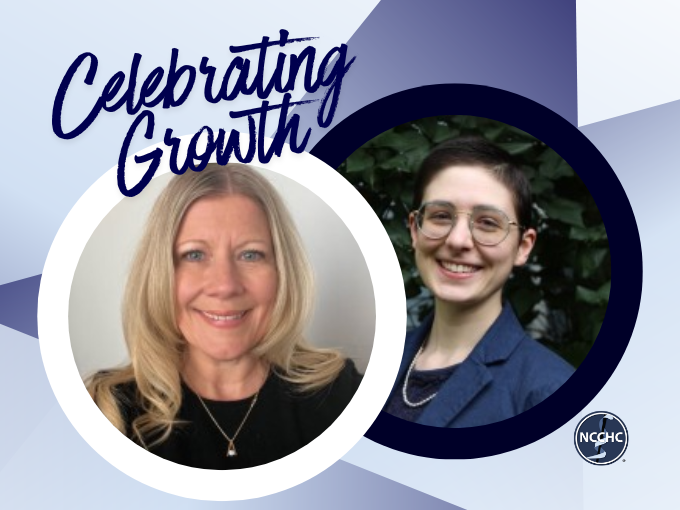
By Rebecca Rock, PsyD, CCHP-MH, Centurion Health
Reflecting on my journey, there are several things I wish I had known before stepping into my career as a licensed clinical psychologist in corrections. To help guide new professionals, I’ve compiled a list of key takeaways that could make your transition smoother and benefit from my experience. The following are five things I wish I’d known before starting my career as a correctional psychologist:
Flexibility in Employment Location: Working for a large state system or a national company like Centurion Health means your employment isn’t tied to one facility. You have the flexibility to transfer based on your career or personal needs, providing a sense of stability and continuity that’s rare in many fields.
Diverse Roles: As a licensed clinical psychologist, your role isn’t limited to patient care. You’ll have the chance to wear multiple hats, including administrator, supervisor, and consultant. This variety ensures that no two days are the same and keeps the work engaging and dynamic.
Broad Professional Network: Your colleagues won’t just be other psychologists. You’ll collaborate with security personnel, medical staff, nurses, and dental providers. This multidisciplinary environment fosters rich professional growth and enhances your ability to provide comprehensive care.
Participation in National Organizations: It’s easy to feel isolated in a facility, but national organizations like NCCHC offer invaluable opportunities. Attending conferences and engaging with peers can provide support, spark creative problem-solving, and help prevent burnout.
Competitive Salary: The financial rewards in this field are substantial, especially with increasing student loan forgiveness programs tied to correctional facilities. It’s gratifying to know that you can enjoy your work and be well-compensated for it.
Even though I felt prepared for my career as a licensed clinical psychologist in corrections, it’s a field that still has a steep learning curve. By understanding these aspects of the job, you’ll be better equipped to thrive as a correctional psychologist, turning potential challenges into opportunities for growth.
Dr. Rebecca Rock is a licensed clinical psychologist who has worked in correctional mental health for over 12 years. She has provided mental health treatment to incarcerated men and women in state jails, federal and state prisons, and sexually violent predator programs across three states and is the mental health director at Hardee Correctional Institution in Bowling Green, Florida.